Homophobic and transphobic laws don’t just punish LGBTQIA+ people directly, they also “legalise social discrimination“.
That’s what Nigerian activist Bisi Alimi told us at one of Pride Wide’s first big public storytelling events.
In Nigeria, where identifying as gay can lead to 14 years in prison, the law acts as a cultural green light for violence.
Bisi explained that when a state declares a person a criminal based on their identity, it signals to the man on the street that he is “doing the right thing“ by attacking his neighbor.
He warns that those in the West may be living in an “illusion of freedom“, believing they have rights which they may lose as the tide turns against LGBTQIA+ equality. Meanwhile he says those in more restrictive regimes are fighting for rights they have never had the opportunity to experience.
Today, these two groups are united by a shared battle for survival as the pendulum of progress swings backward around the world.
Breaking the media script
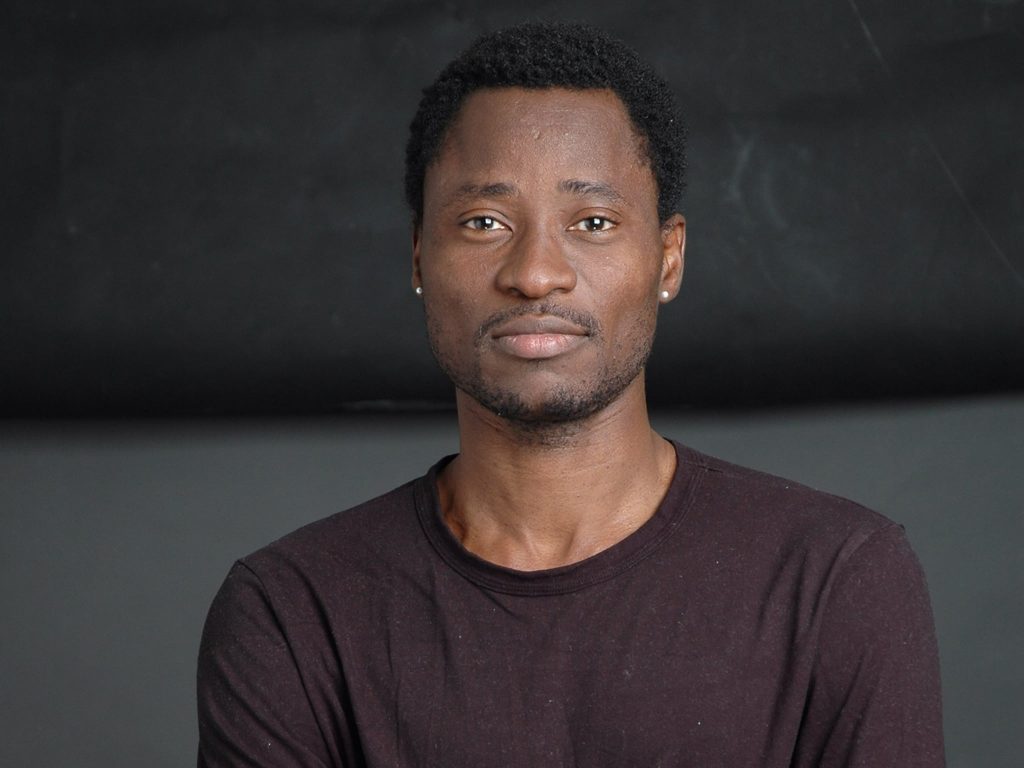
Bisi Alimi is a veteran gay and HIV activist, originally from Nigeria. He is now living in exile in London from where he continues his work for LGBTQIA+ liberation and voices in Nigeria.
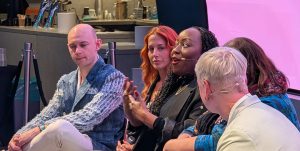
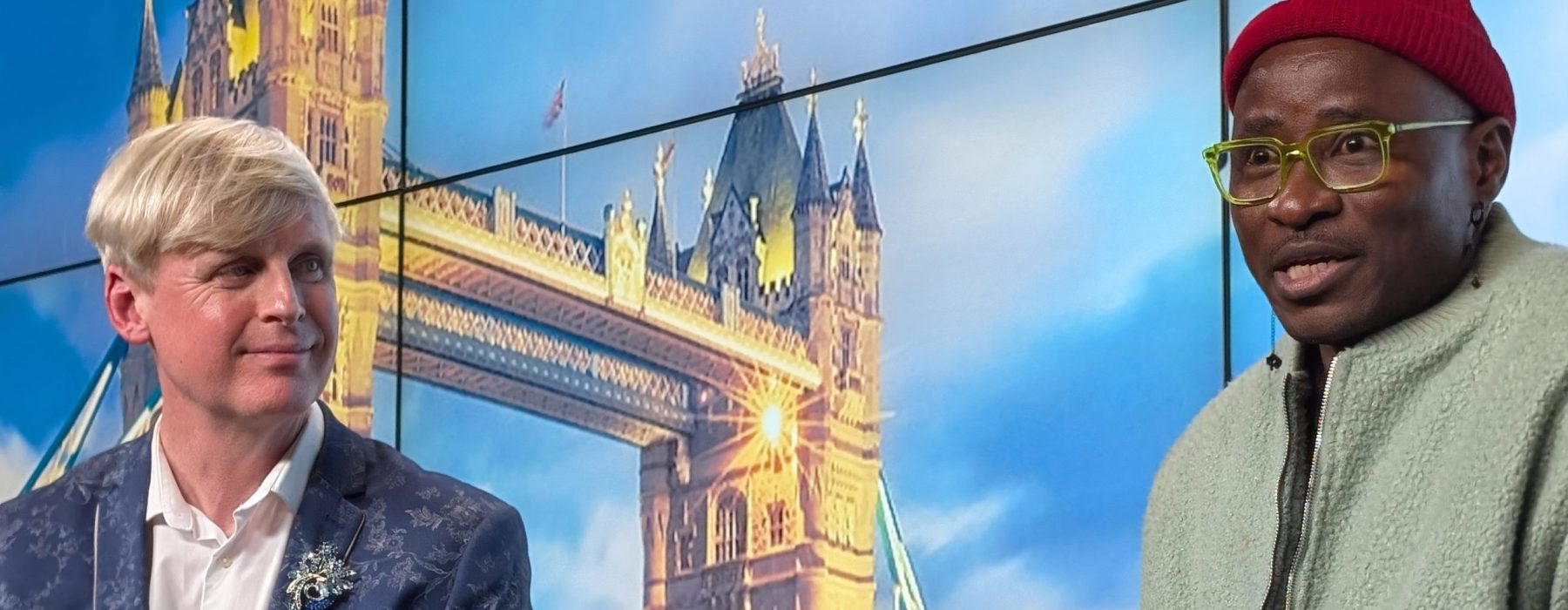
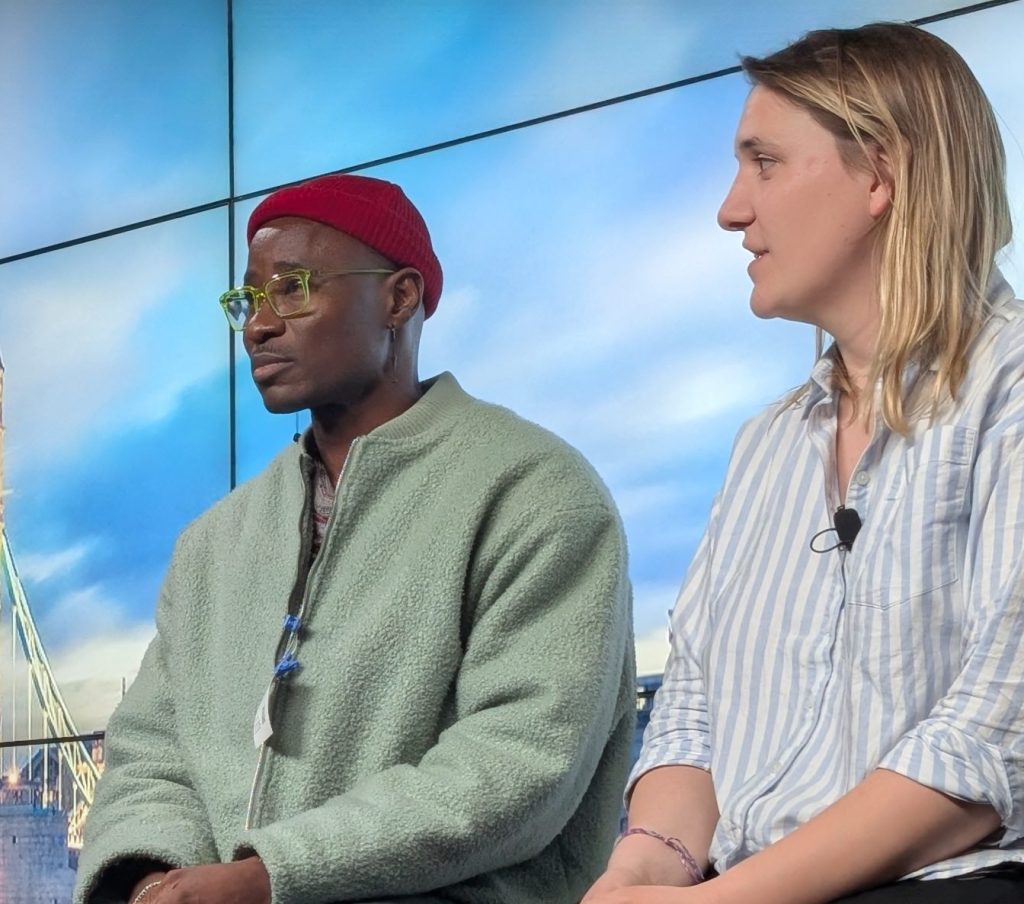
He was speaking at a Pride Wide event, hosted at Google on 26 February 2025, where he was interviewed on stage by Pride Wide founder Tris Reid-Smith.
Bisi told us he became one of the earliest champions of Pride Wide because it rejected a “victim narrative”. Instead, he embraced the opportunity to share stories that portray lesbian, gay, bi, trans and nonbinary people as bigger than the hate they receive or the worst times they have faced.
He said: “I have been involved with a lot of organizations. And a lot of the time, when I’m brought in, I’m brought in to tell my story.
”When I tell the story of being a movie star before I left Nigeria, or I tell the story of a fantastic life that I’m living, they say, ‘No, no, no. We don’t want that. Can you tell us the time they came to your house and they almost killed you?’
”And I’m like, ‘Okay, that is a part, that’s my story. But that is not the story that defined who I am. There is more to my story.’
”I am an immigrant who came to this country [the UK], 20 years ago, but I’ve made a name for myself. I want to talk about that. I want to talk about these different aspects of me.
”The attention I get is ‘Can we talk about how you were beaten?’ Can you talk about all of this?” If this is the story that you want to talk about, count me out.”
A message of hope
Bisi sees Pride Wide as an opportunity to share a more optimistic message. A story that can uplift future generations while helping the public to see the real people hurt by draconian anti-LGBTQIA+ laws.
He said: “I want to tell the story of the queer African who arrived on the shore of this country and is shaking the system and is working in a Fortune 500 company. They are making a name for themselves despite the challenges that they face.
”If you’re not going to tell that story so that you can tell the next queer African immigrant that things are possible aside from being a victim, I don’t want to be part of that.
”I do understand things happened to me, I’m not going to take that away. But I’m bigger and better than that.
“Let’s talk about that. Because I really think hope is in short supply.”
Can you help?
If you agree with Bisi and want to help Pride Wide tell stories that can change society, join us here.